
Comprehensive Safety and Prevention Guide for Sexual Violence

Understanding Sexual Violence

Sexual violence encompasses a range of non-consensual acts, including rape, attempted rape, sexual assault, unwanted sexual touching, and sexual harassment. It can occur in any setting and affect individuals of all ages, genders, and backgrounds. Preventing sexual violence requires a multi-faceted approach that involves education, awareness, and proactive intervention.

Remember, everyone has a role to play in preventing sexual violence. By staying informed, being vigilant, and taking action when necessary, we can create safer communities for everyone.
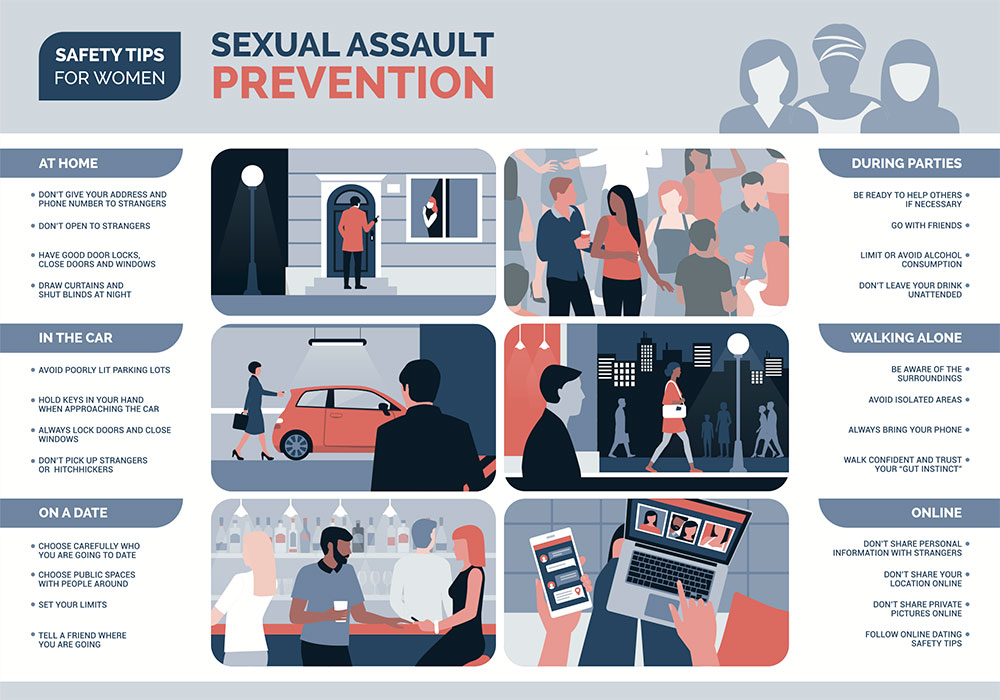
  • Situational Awareness: Always be mindful of your surroundings. Trust your instincts if a situation feels unsafe, and remove yourself from it if possible.
  • Communication: Inform trusted friends or family about your whereabouts, especially when going out at night or to unfamiliar places.
  • Personal Safety Devices: Consider carrying a personal alarm, pepper spray, or other safety devices. However, familiarize yourself with their proper use and local laws.
  • Social Settings: Exercise caution when consuming alcohol or drugs, as they can impair judgment and increase vulnerability. If you choose to drink, do so responsibly and stay with trusted friends.
  • Trust Your Gut: If you feel uncomfortable or unsafe, don’t hesitate to leave a situation or ask for help.
  • Be Observant: Pay attention to the people around you. Notice if someone seems vulnerable, distressed, or in danger.
  • Intervene: If you see a potentially harmful situation, step in if it’s safe to do so. Ask if the person is okay or needs help. You can also create a distraction or involve others to de-escalate the situation.
  • Seek Help: If necessary, call for help from security personnel, the police, or other authorities.
  • Promote a Culture of Respect: Encourage open conversations about consent and healthy relationships.
  • Open Communication: Talk to your children about body safety, consent, and healthy boundaries from a young age. Use age-appropriate language and create a safe space for them to ask questions and share concerns.
  • Education: Teach children the proper names for their body parts and the difference between safe and unsafe touches. Empower them to say “no” to any unwanted touch, even from someone they know.
  • Supervision: Be vigilant about who interacts with your child, both online and offline. Monitor their activities and be aware of any sudden changes in behavior, unexplained injuries, or signs of emotional distress.
  • Trust and Support: Assure your child that you believe them and will support them if they disclose any uncomfortable or inappropriate experiences (RAINN)​​ (RAINN)​.
  • Campus Resources: Familiarize yourself with campus safety resources, such as security escorts, emergency phones, and safe ride programs.
  • Alcohol and Drug Awareness: Understand the risks associated with alcohol and drug use, particularly in social settings. Drink responsibly, never leave your drink unattended, and avoid accepting drinks from strangers.
  • Bystander Intervention: Learn how to recognize and intervene in potentially harmful situations. Attend bystander intervention training offered on campus or online.
  • Consent Education: Understand what constitutes clear, enthusiastic, and ongoing consent. Participate in campus discussions and programs that promote healthy relationships and sexual respect. 
  • For more detailed information and resources, you can visit:
  • Sudden Changes in Behavior: Look for changes in a person’s mood, energy levels, sleeping patterns, or social interactions.
  • Unexplained Injuries: Be alert to any injuries that seem out of place or lack a reasonable explanation.
  • Withdrawal: If someone becomes isolated, avoids social situations, or stops participating in activities they usually enjoy, it could be a sign of distress.
  • Excessive Attention: Be wary of adults who shower a child with excessive gifts, attention, or affection.
  • Isolation: Groomers often try to isolate their victims from friends and family.
  • Secrecy: They may encourage children to keep secrets or engage in activities without telling their parents.
  • Inappropriate Touching or Comments: Be alert to any behavior that seems sexually suggestive or makes a child uncomfortable. 
  • For further reading and resources on grooming behaviors and online safety, you can visit:
  • Recognize the Signs: Learn to identify situations where someone may be at risk of sexual violence.
  • Trust Your Instincts: If you see something that doesn’t seem right, take action.
  • Choose Your Approach: You can intervene directly, create a distraction, or get help from others.
  • Seek Support: If you’re unsure how to intervene, reach out to campus resources or organizations like RAINN for guidance. 
  • For more detailed information and resources, visit:

Remember, everyone has a role to play in preventing sexual violence. By staying informed, being vigilant, and taking action when necessary, we can create safer communities for everyone.