
Gain a deeper understanding of its devastating impact on survivors and the crucial role of support systems.
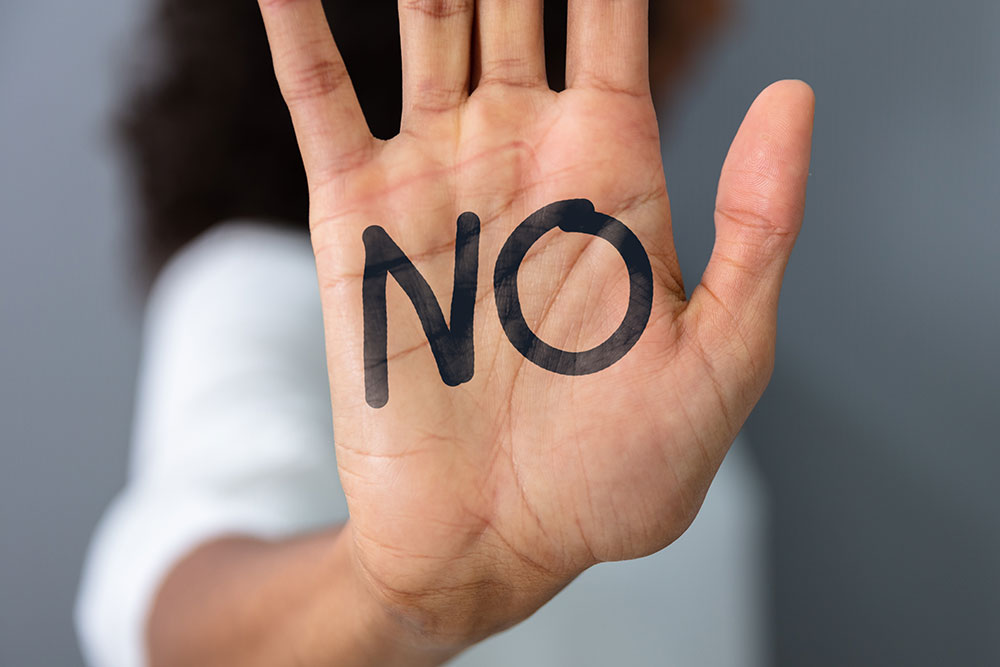
Sexual assault is any unwanted sexual act or behavior, such as unwanted touching, groping, or rape. This violation of a person’s body and autonomy deeply affects victims’ physical and emotional well-being. To understand sexual assault, it’s crucial to recognize its widespread impact and the importance of providing compassionate and respectful support to survivors.
Child Sexual Abuse
Sexual Assault and Violence Against Men and Boys
Sexual Assault and Violence in the LGBTQIA+ Community
Sexual Assault and Violence by Intimate Partners
Incest
Sexual Assault and Violence Involving Drugs
Definition of Consent
Legal Requirements of Consent
Sexual violence can have a devastating impact on a survivor’s mental health, often leading to depression. This condition is characterized by persistent sadness, loss of interest or pleasure in activities once enjoyed, changes in sleep and appetite patterns, and feelings of hopelessness or worthlessness.
The trauma of the assault can disrupt daily functioning, making it difficult to concentrate, maintain relationships, or perform well at work or school. Additionally, survivors may experience intrusive thoughts or flashbacks related to the assault, further exacerbating their distress.
It is crucial for survivors to seek professional mental health support to address these challenges. Therapy can provide a safe space to process the trauma, develop coping skills, and rebuild self-esteem. Medication can help manage symptoms of depression, and support groups can offer a sense of community and understanding.
By seeking appropriate help, survivors can learn to manage their symptoms, regain their sense of well-being, and ultimately heal from the trauma of sexual violence.
Flashbacks are a common and distressing symptom experienced by survivors of sexual violence. They are intrusive, vivid memories of the traumatic event that can feel as if the assault is happening again in the present moment. These episodes can be triggered by various sensory stimuli, such as smells, sounds, or locations that remind the survivor of the assault.
Flashbacks can be intensely disorienting and emotionally overwhelming, causing significant distress and disrupting a survivor’s daily life. They can interfere with sleep, concentration, and relationships, and can make it difficult to feel safe or in control.
Various coping mechanisms and therapeutic techniques can help survivors manage flashbacks. Grounding exercises, which focus on the present moment through sensory awareness, can help reduce the intensity of flashbacks. Mindfulness practices can also teach survivors to observe their thoughts and feelings without judgment, allowing them to gain a sense of control over their experience. Trauma-focused therapy, such as Cognitive Processing Therapy (CPT) or Prolonged Exposure (PE), can help individuals process the trauma and reduce the frequency and severity of flashbacks.
Post-Traumatic Stress Disorder (PTSD) is a serious mental health condition that can develop after experiencing a traumatic event, such as sexual violence. It is characterized by a cluster of symptoms, including:
PTSD can significantly impair a survivor’s ability to function in daily life, affecting their relationships, work, and overall well-being. It is crucial for survivors to seek professional help if they are experiencing symptoms of PTSD. Effective treatment options include trauma-focused therapies like Cognitive Processing Therapy (CPT), Prolonged Exposure (PE), and Eye Movement Desensitization and Reprocessing (EMDR). Medication may also be helpful in managing some symptoms.
Early intervention and ongoing support are essential for survivors of sexual violence. With appropriate treatment and support, individuals can learn to manage their symptoms, heal from the trauma, and regain a sense of control and well-being in their lives.
Sexual assault and violence against minors is more common than one would imagine, with 1 in 9 girls and 1 in 20 boys below the age of 18 having experienced sexual abuse or assault. The effects of this can be long lasting, and often results in severe psychological, developmental, and emotional issues. Child victims are at higher risk of developing PTSD, drug abuse problems, and severe depression as adults. Moreover, 93.0% of child victims and survivors know who their perpetrators are, which often includes family members or acquaintances (RAINN) (RAINN).
Perpetrators of sexual violence can be acquaintances, family members, strangers, or people in positions of authority. About 90% of rapes are committed by someone the victim knows. For child sexual abuse, 59% of perpetrators are acquaintances, 34% are family members, and 7% are strangers. Recognizing who these perpetrators are and their behaviors helps in creating effective prevention strategies and providing better support for survivors. (RAINN) (RAINN).
The criminal justice system struggles to address sexual violence effectively. Out of every 1,000 sexual assaults, only 310 are reported to the police. From these reports, 50 lead to an arrest, 28 result in a felony conviction, and 25 result in the perpetrator being incarcerated. These statistics underscore the urgent need for better reporting, investigation, and prosecution processes to ensure justice for survivors. (RAINN) (RAINN).
Sexual violence on college campuses is a significant concern. Approximately 13% of all students experience rape or sexual assault through physical force, violence, or incapacitation. Among undergraduate students, 26.4% of females and 6.8% of males report such experiences. Despite these high numbers, only 20% of female student victims aged 18-24 report the incidents to law enforcement. To address campus sexual violence, it is crucial to implement prevention and response initiatives, including support services and educational programs (RAINN) (RAINN).